

Water-Only Cutting for Foam and Lightweight Materials

Reading time: ~ 5 minutes

In the case of foam parts manufacturers, there is always a constant challenge in maximizing material usage, ensuring consistency in part quality and enhancing manufacturing efficiency. Be it packaging inserts, insulation foams, protective parts or any other industrial foam parts, each and every piece of material needs to be optimized to minimize wastage and improve the manufacturing process.

For the processing of various foam materials, particularly open-cell foams, waterjet cutting provides a useful solution to overcome the issues faced by traditional cutting systems. Through a combination of water-only cutting techniques along with intelligent nesting and common-line cutting practices, manufacturers are able to optimize not only the cutting process but even the whole job itself.

In foam manufacturing, it is not just the cutting speed that makes for a productive process; it is a full-cutting process altogether.

Why Waterjet Cutting Is Well Suited for Foam

When many people think of waterjet technology, they immediately picture cutting thick steel, stone or other hard materials using abrasive waterjet systems. However, waterjet technology is equally capable of processing many lightweight materials.

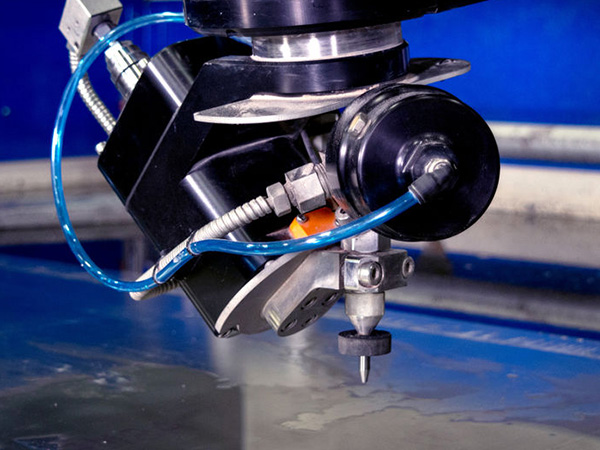
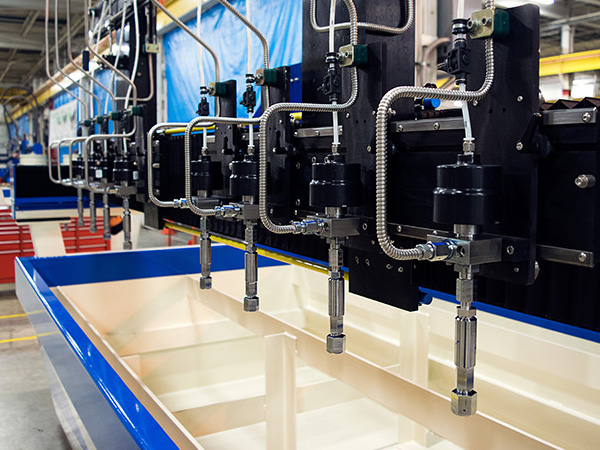
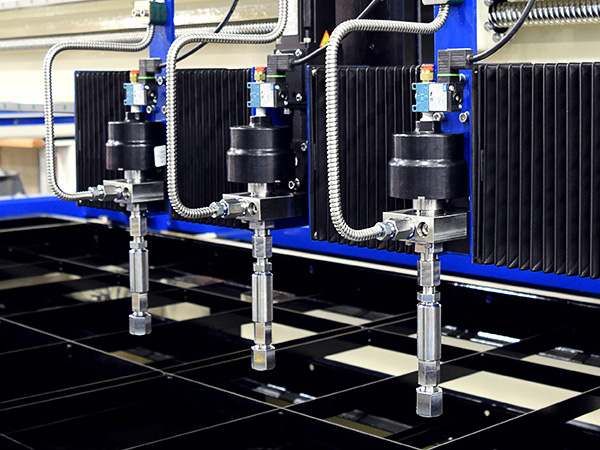
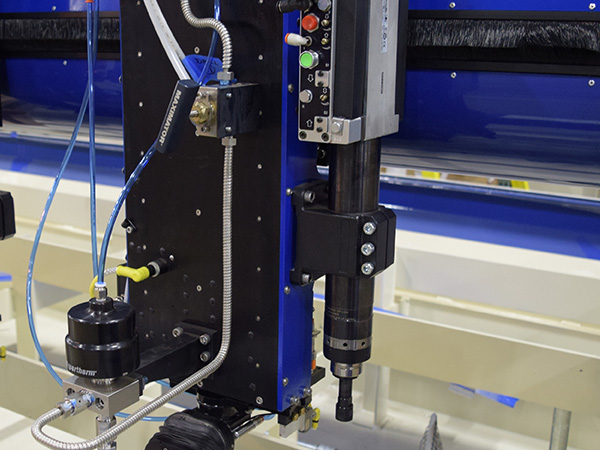
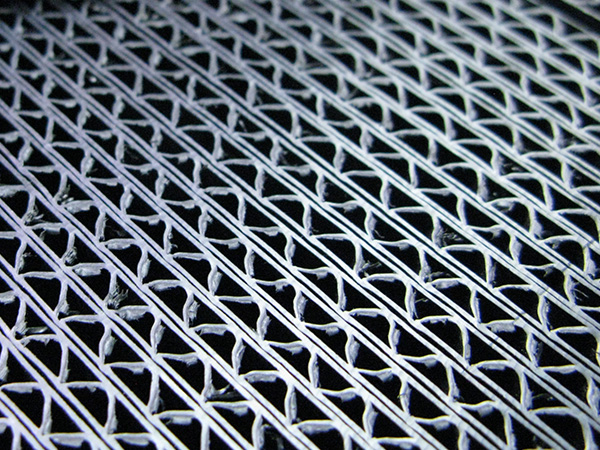
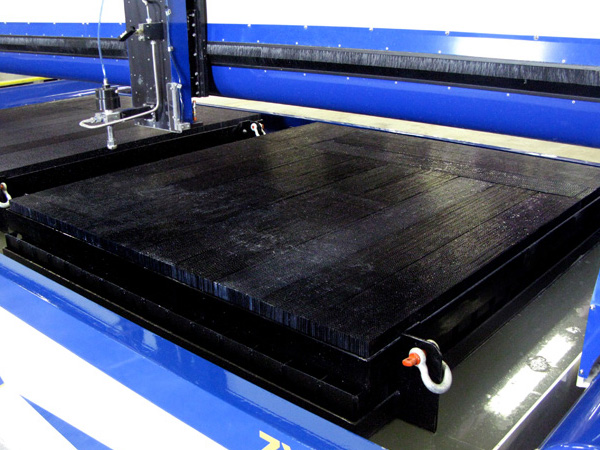
For suitable open-cell foam applications, water-only cutting allows manufacturers to produce accurate, repeatable parts without introducing abrasive into the cutting stream. The result is a clean cutting process that can efficiently follow complex geometries while maintaining consistent component dimensions throughout the production run.

Because the cutting process is controlled through CNC programming, manufacturers can produce intricate shapes and repeat identical parts across an entire sheet with a high level of consistency.

Material Utilization Starts Before Cutting Begins

One of the biggest opportunities for improving manufacturing efficiency occurs before the cutting head ever begins moving.

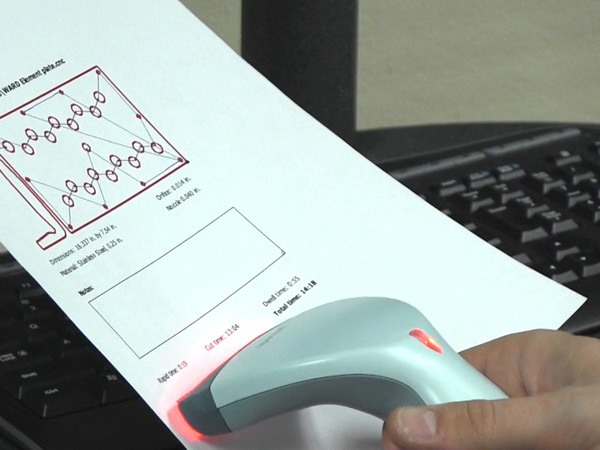
Modern nesting software arranges components across the available foam sheet to maximize material utilization while minimizing unused areas. Instead of manually positioning parts, automated nesting determines an efficient layout based on the required geometry and available material.

For manufacturers producing high volumes of packaging inserts, protective foam products or custom industrial components, better nesting can reduce unnecessary waste while producing more usable parts from each sheet.

Improving material utilization benefits more than raw material consumption. Better sheet optimization can also reduce handling, improve production planning and contribute to overall manufacturing efficiency.

APEX90

Common-Line Cutting Reduces Unnecessary Machine Movement

An optimized nesting pattern gets even better results when used together with common line cutting.

Rather than cutting each edge of each part individually, adjacent parts use the same common cutting line whenever it is possible. This decreases the overall amount of cutting line to be processed.

While the idea may seem simple, the results can be substantial. With less cutting, there will be less programmed cutting path and machine moves during the process.

Used with an efficient nesting pattern, the common line cutting technique shows that productivity depends not only on machine performance but also on the programming approach.

For some manufacturers, it becomes at least as important as the cutting machine itself.

Programming Matters as Much as Machine Performance

There are a number of aspects that contribute to the effectiveness of a foam cutting process.

A carefully thought-out program allows the machine to move in an organized way and cut parts in order to create uniform pieces but minimize excessive movements.

Instead of just moving from one piece to another, the program creates an organized path that allows cutting the whole sheet at once. This approach allows manufacturers to concentrate not only on cutting speed but also on overall workflow optimization.

Each manufacturing process is unique, and the results will depend on the type of material, density of foam, sheet size, geometry of parts, nesting strategy, and even machine configuration. Nevertheless, a properly designed program can be very effective in optimizing the manufacturing process.

Choosing the Right WARDJET Waterjet System

Selecting the appropriate waterjet platform depends on the types of materials being processed and the manufacturer’s overall production requirements.

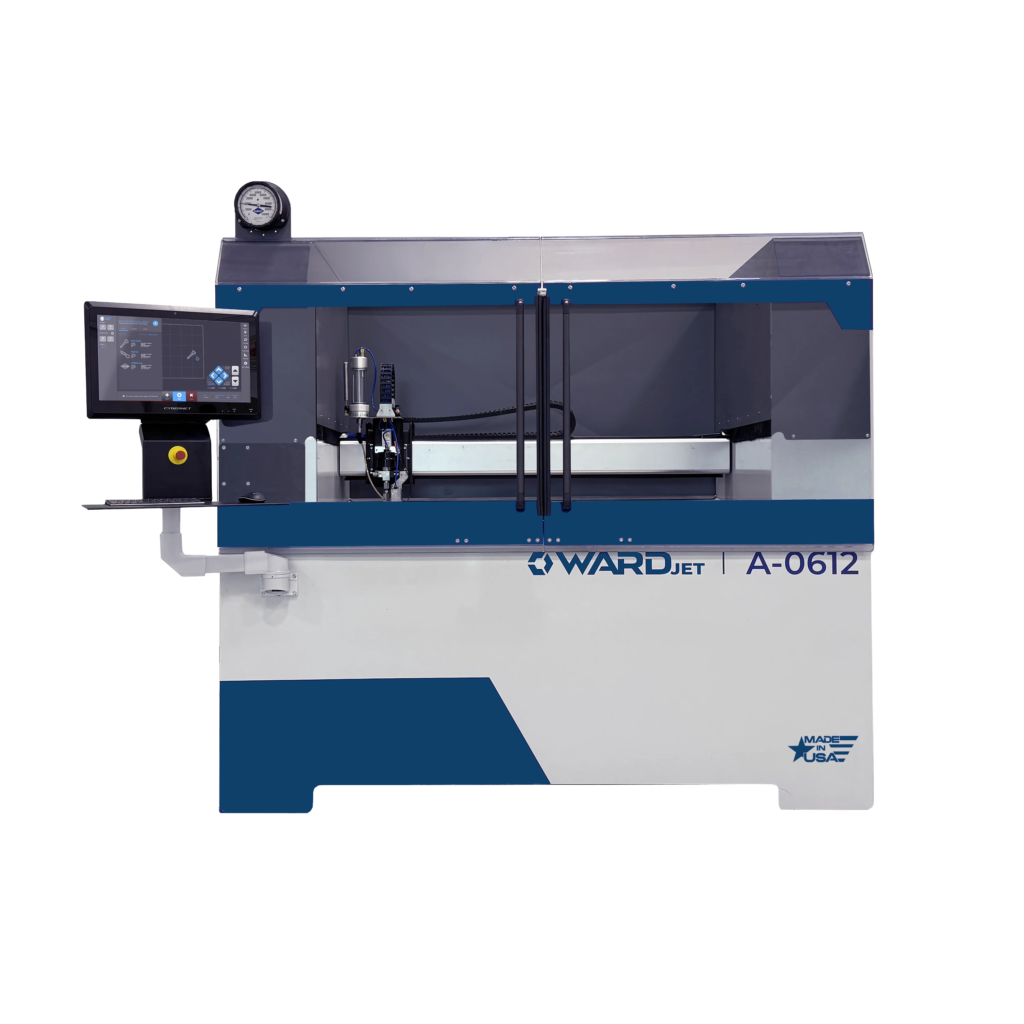
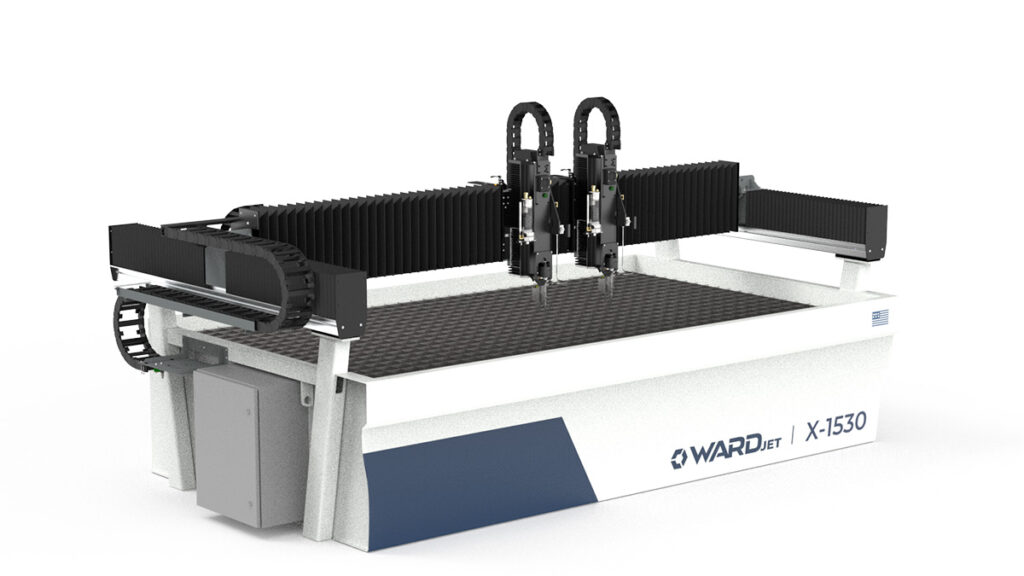
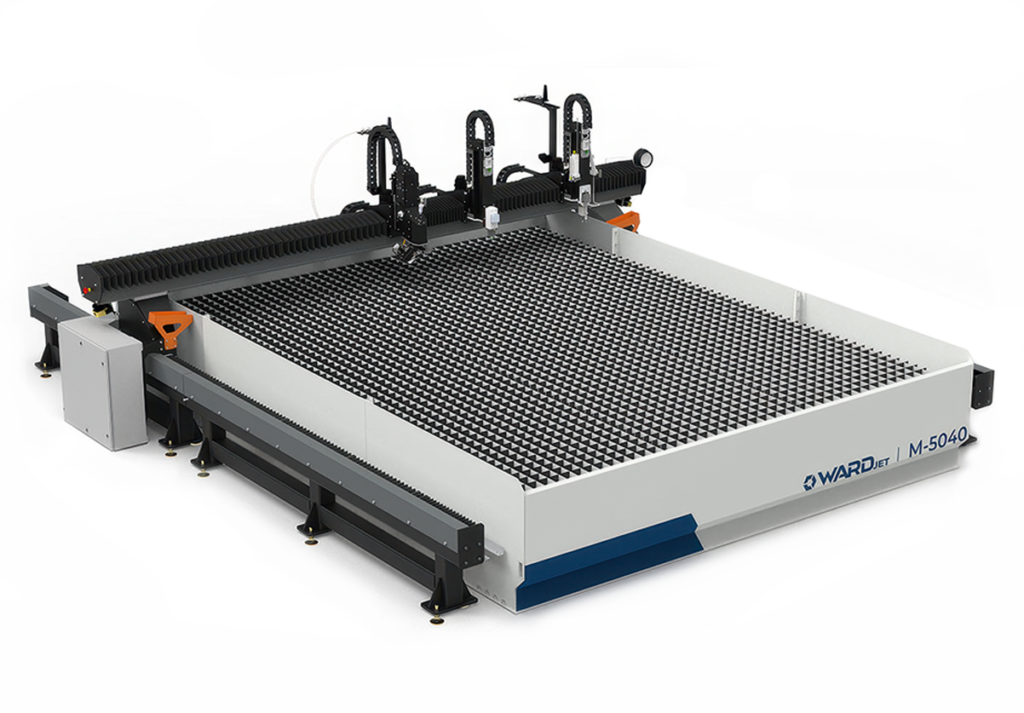
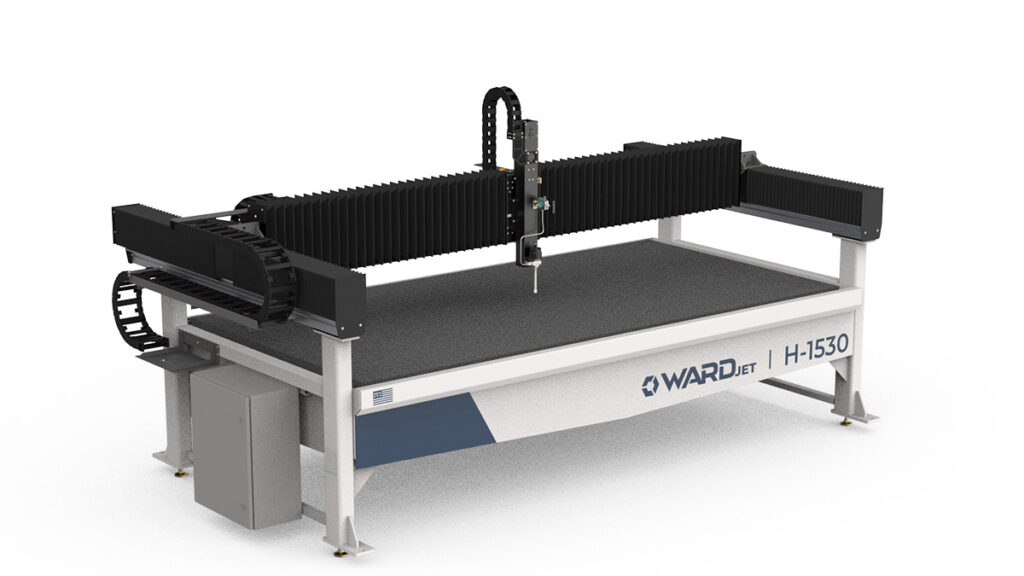
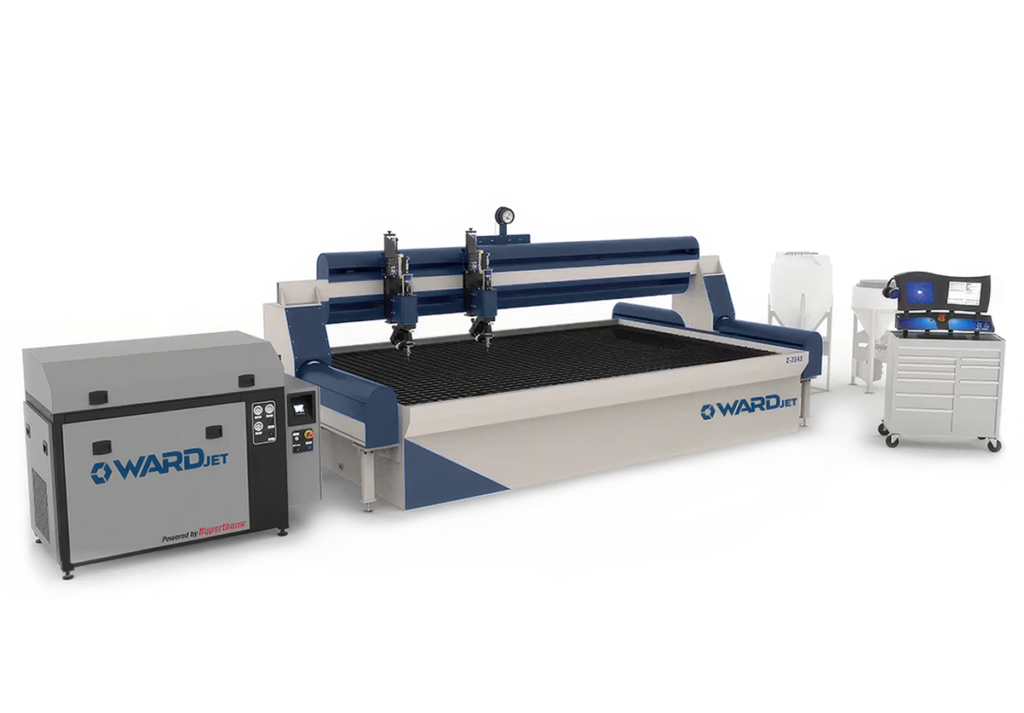
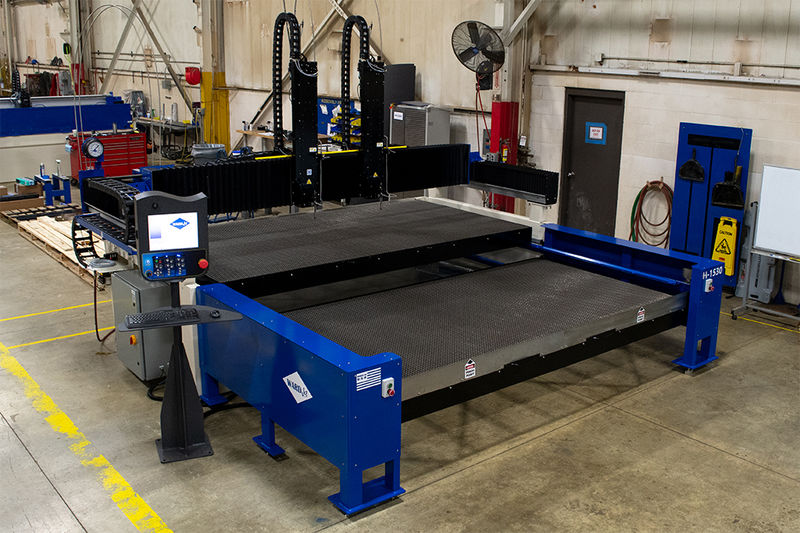
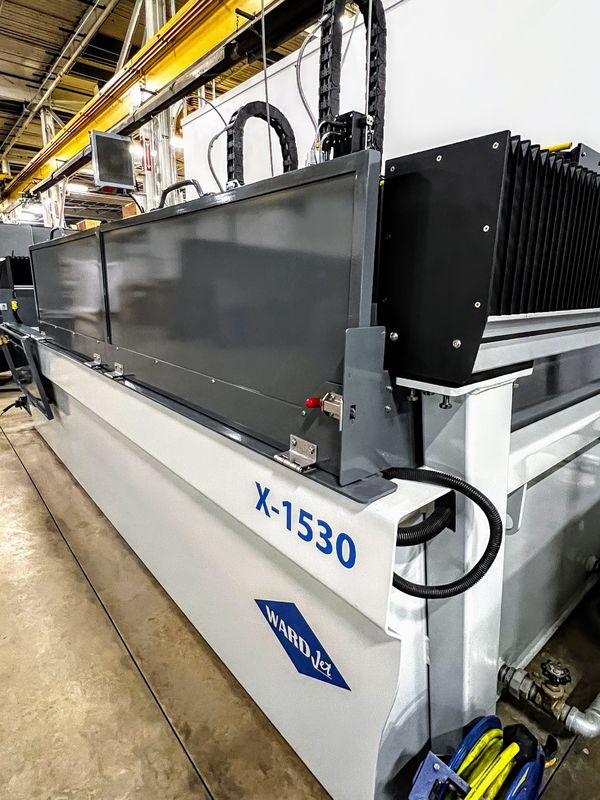
The WARDJET M-Series offers flexibility for manufacturers processing a wide range of materials. While capable of abrasive waterjet applications for harder materials, it can also be configured for water-only cutting when processing suitable foam applications. This versatility allows manufacturers to work with multiple material types using equipment from the same product family.

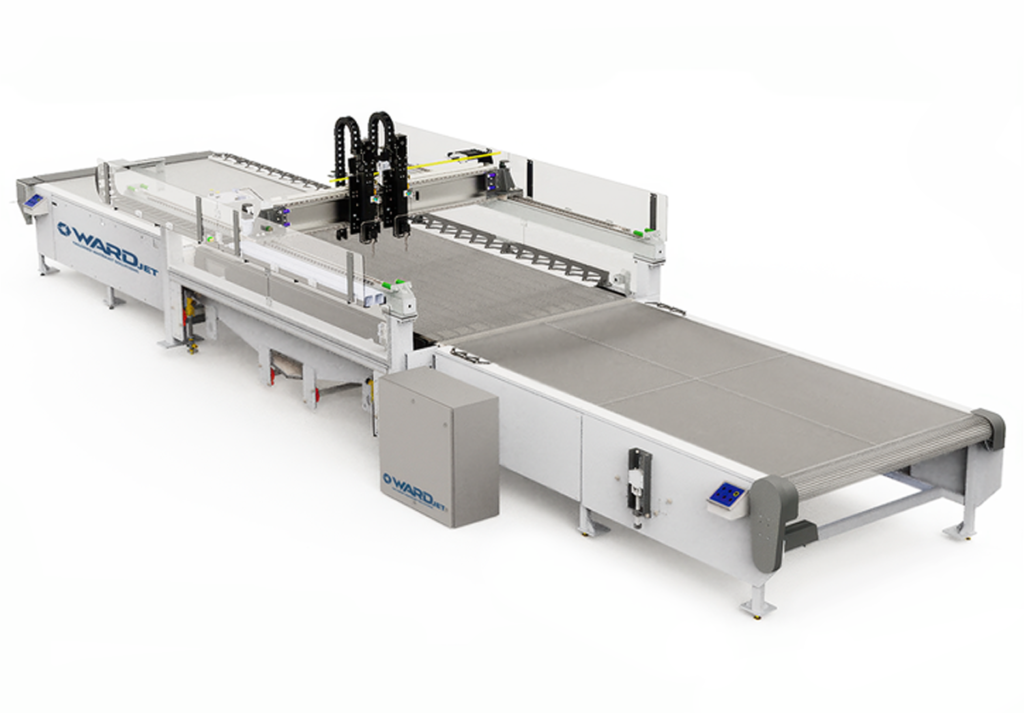
For businesses dedicated primarily to foam and other water-only materials, the WARDJET J-Series provides a purpose-built solution designed specifically for water-only cutting applications. Manufacturers focused on high-volume foam production may find that a dedicated water-only platform aligns well with their production objectives.

Foam Cutting Is More Than a Cutting Process

Efficient foam manufacturing involves much more than directing a waterjet through a sheet of material.

A complete workflow includes:

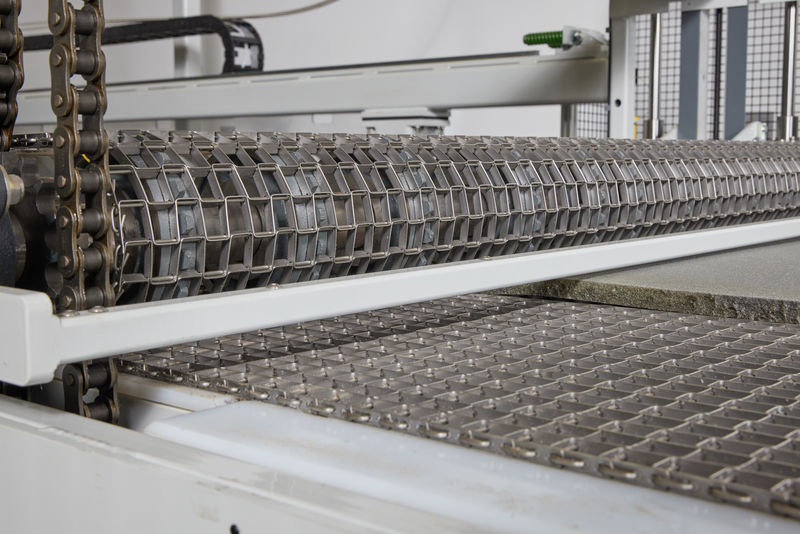
  • Preparing and loading the material
  • Optimizing part layouts using nesting software
  • Applying common-line cutting where appropriate
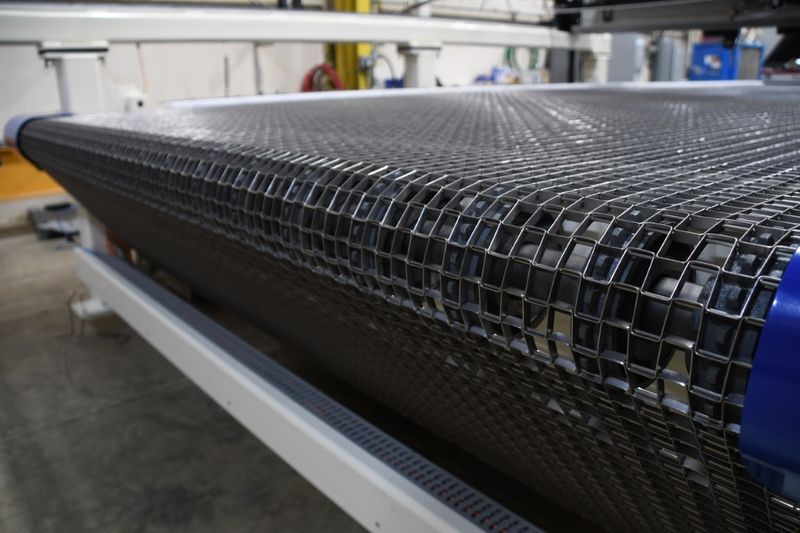
  • Following an efficient CNC-programmed toolpath
  • Producing repeatable, accurately cut components across the sheet

Each step contributes to the overall efficiency of the manufacturing process.

When these elements work together, manufacturers can improve material utilization, streamline production and maintain consistent part quality throughout the job.

Improving Foam Production Through Smarter Manufacturing

Manufacturing efficiency rarely depends on a single technology. Instead, it results from combining equipment, software and programming strategies into a coordinated production workflow.

For manufacturers producing packaging inserts, insulation products, protective foam components or custom industrial parts, water-only waterjet cutting offers an approach that extends beyond the cutting process itself. Intelligent nesting, optimized toolpaths and common-line cutting all contribute to making better use of available material while supporting consistent production.

By treating foam cutting as a complete manufacturing workflow instead of simply a machining operation, businesses can position themselves to improve productivity, reduce material waste and produce high-quality components more efficiently.

If you’re evaluating waterjet technology for foam production, the WARDJET team can help determine which platform best aligns with your materials, production volumes and manufacturing objectives.

Learn more about WARDJET water-only cutting solutions and explore how waterjet technology could support your lightweight-material application at https://www.wardjet.com/