


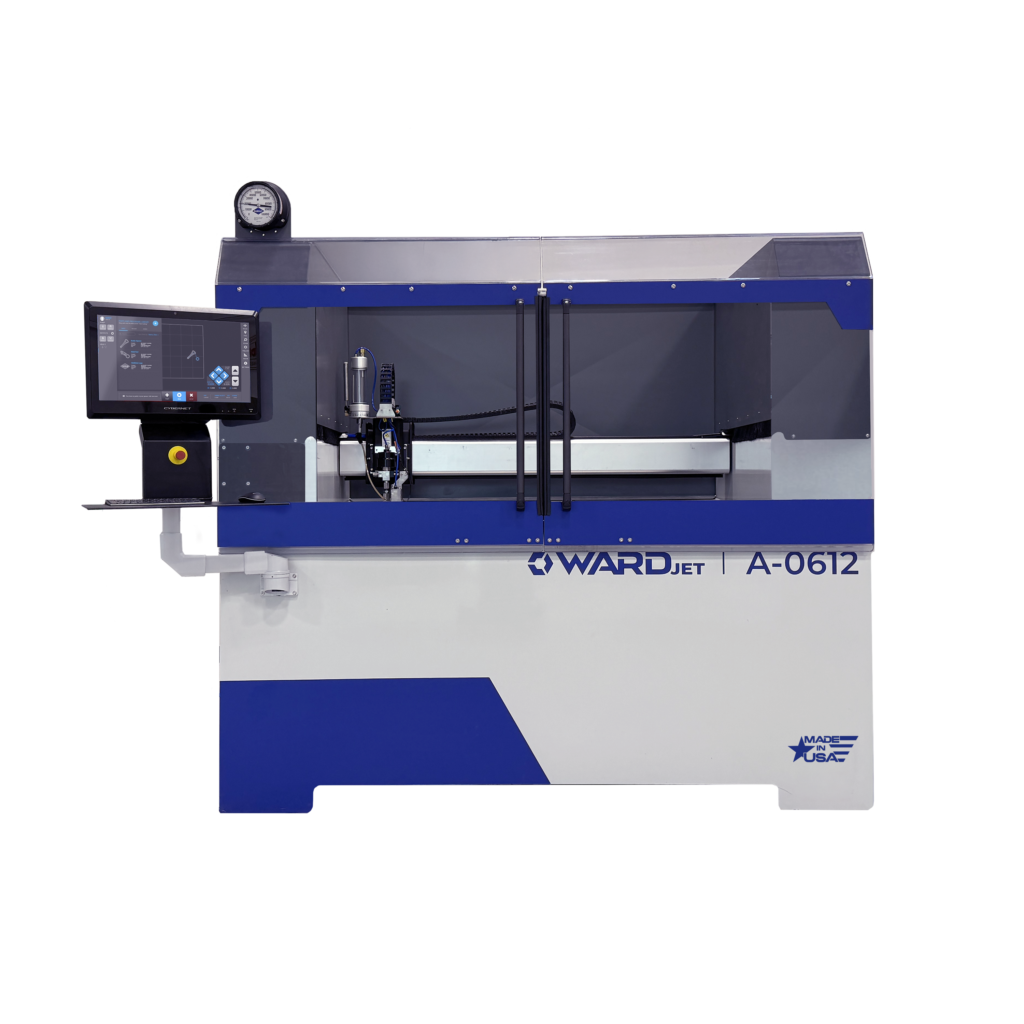
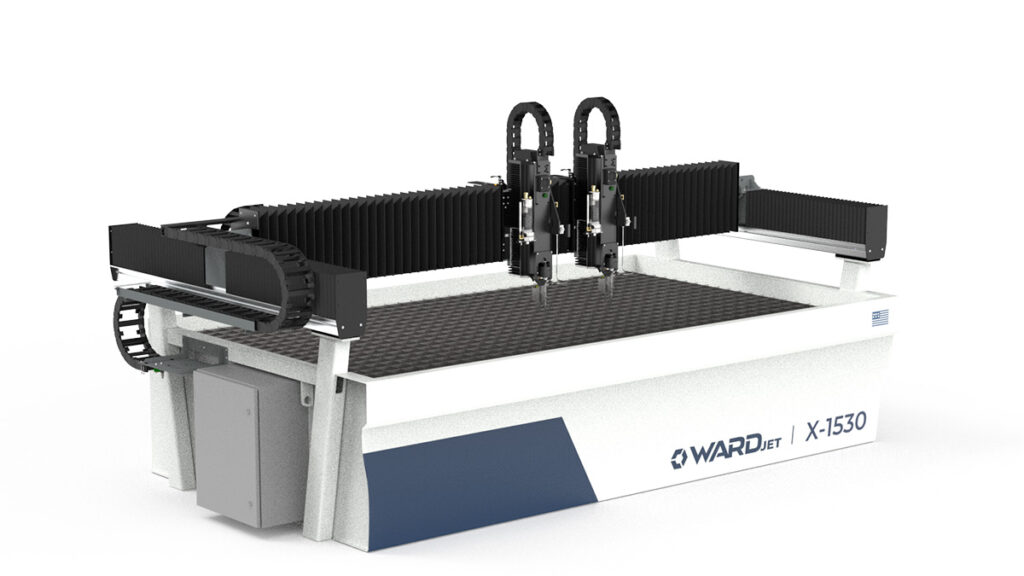
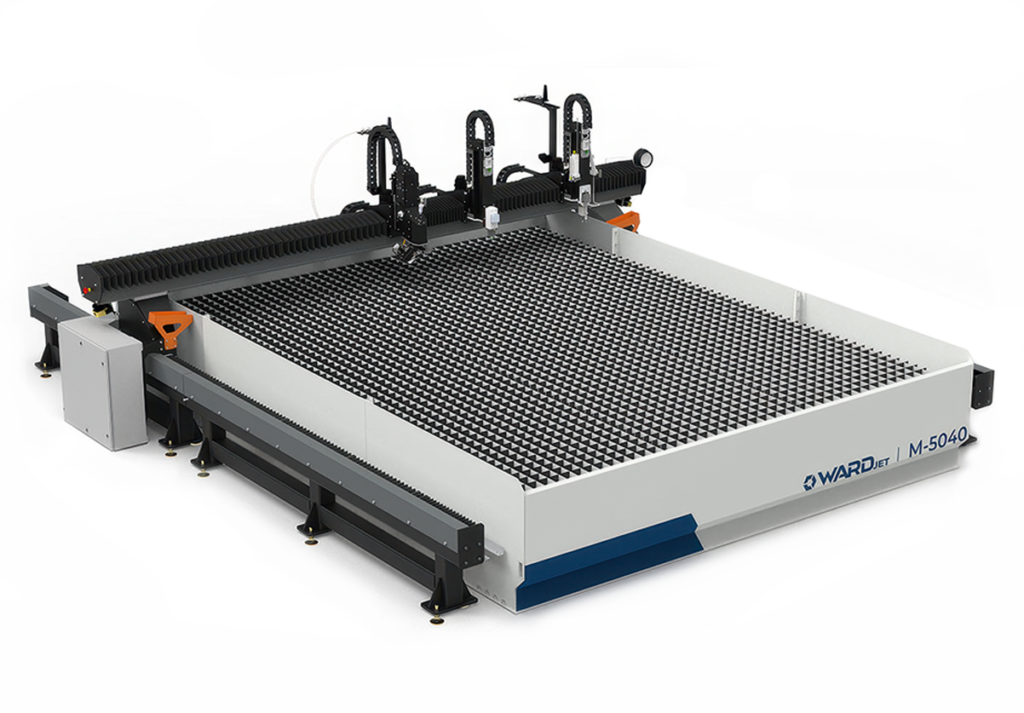
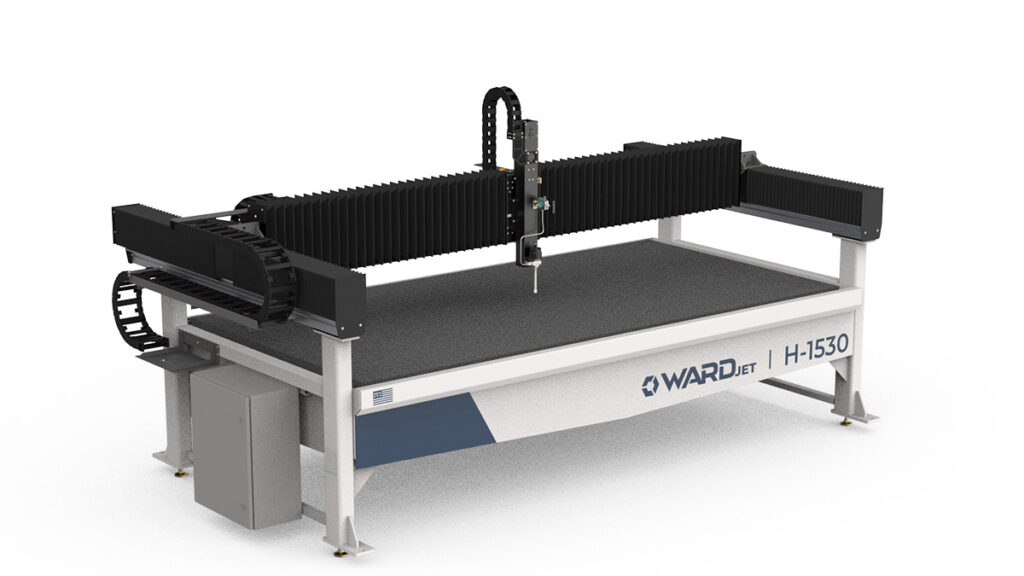
How CNC Waterjet Cutting Can Help Sign Shops Expand Into New Materials and More Complex Work
For many sign shops, growth eventually runs into a familiar limitation: the equipment that works well for foam, plastics, aluminum composites, and standard panel materials may not be the best fit for thicker stock, brittle surfaces, or ferrous metals. Routers and knife systems remain essential tools in many operations, but there are jobs where adding another cutting technology can open the door to entirely new capabilities.
That is where CNC waterjet cutting becomes especially valuable.
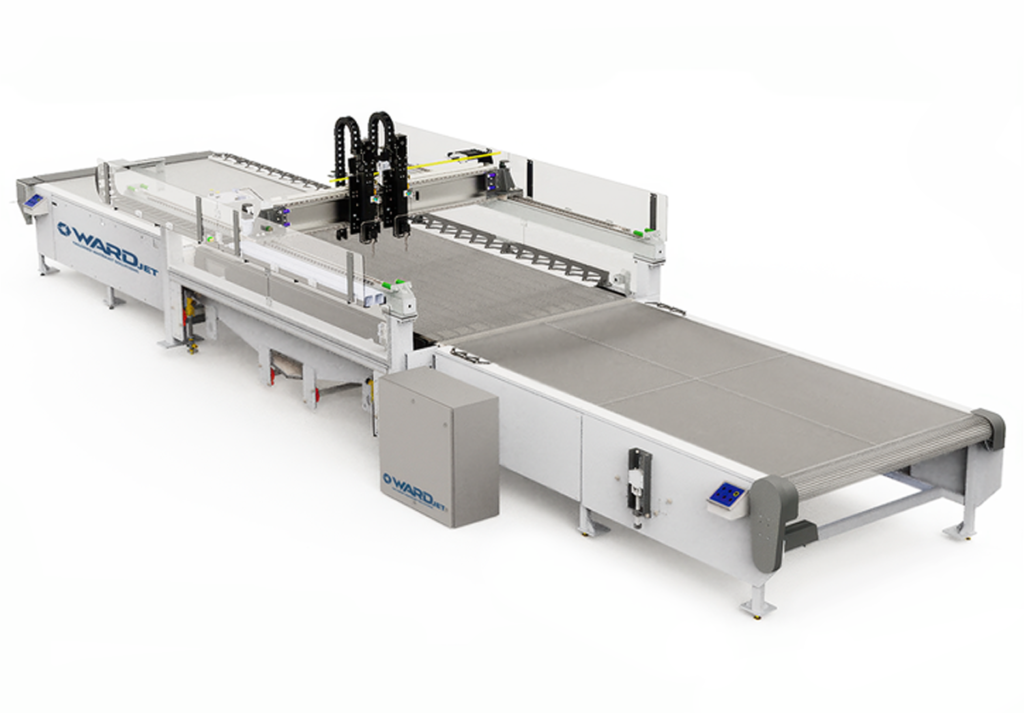
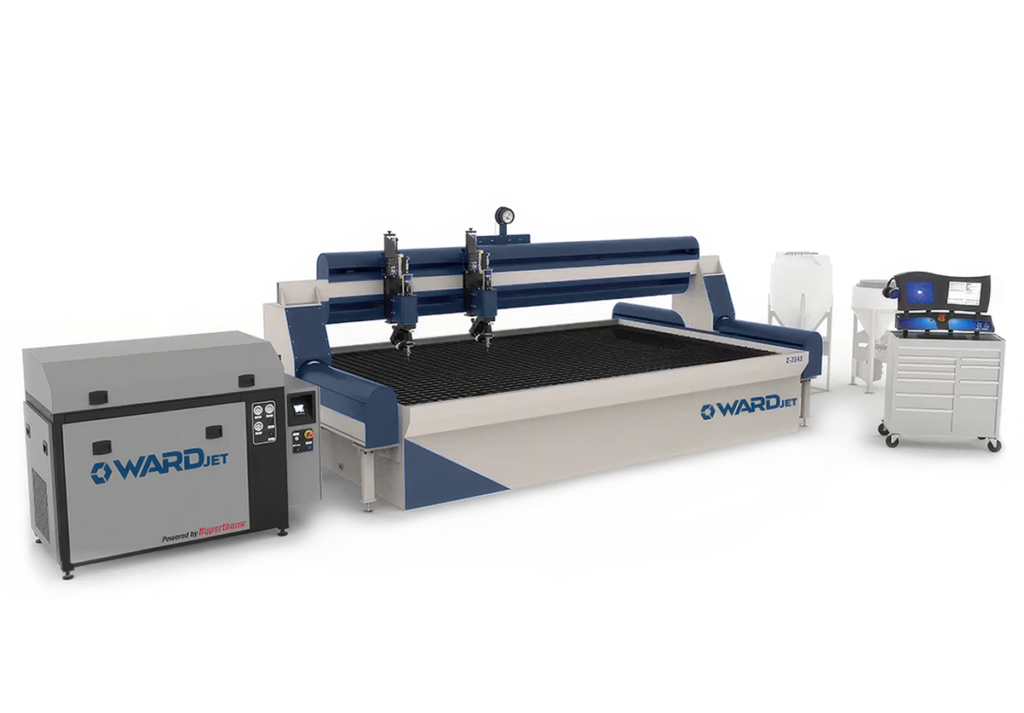
For sign makers looking to diversify their offerings, improve flexibility, and take on more demanding applications, waterjet can complement existing equipment in a way that expands both production options and market opportunities. From stainless steel lettering and structural components to granite memorial signs and porcelain features, waterjet technology gives shops a practical path into materials and geometries that are often difficult to process with conventional cutting methods.
Why Waterjet Makes Sense in a Sign Shop
Sign production often involves a wide range of materials, project sizes, and design requirements. A router may be ideal for many everyday sign applications, and knife systems are highly effective for flexible materials. But when a shop begins seeing opportunities in steel, stainless, stone, thick plastics, or fragile decorative materials, those technologies can reach their limits.
Waterjet fills that gap by offering a highly versatile cutting process that uses a focused stream of water, often combined with abrasive, to cut through material cleanly and accurately. Instead of relying on heat, the process is cold cutting, which makes it especially useful for materials that are sensitive to thermal distortion or property changes.
This matters in signage because appearance, fit, and finish are everything. Whether a shop is producing branded architectural signage, custom wayfinding systems, decorative stone elements, or structural mounting parts, maintaining material integrity is critical. Waterjet helps achieve that without introducing a heat-affected zone that can discolor, warp, or alter the material.
Where Waterjet Outperforms Other Cutting Methods
The biggest advantage of waterjet in signage is not that it replaces routers or knives. It is that it handles the jobs those tools are less suited for.
Ferrous metals and stainless steel
When working with steel or stainless, waterjet becomes an attractive option because it can cut these materials efficiently while preserving edge quality and avoiding heat-related issues. That makes it useful for dimensional letters, decorative panels, support brackets, frames, and other custom components that need both strength and visual appeal.
Thick materials
As materials get thicker, traditional sign-cutting methods can require multiple passes, create more stress on tools, or produce edge conditions that need more cleanup. Waterjet’s ability to cut in a single pass can improve both process reliability and final quality. For shops that want to move into heavy-duty or architectural signage, this can be a major advantage.
Stone, porcelain, and brittle materials
Stone signage, porcelain elements, and similar brittle materials present unique challenges. Chipping, cracking, and wasted material can quickly turn a premium project into a costly one. Waterjet is well suited to these applications because it can cut hard, brittle surfaces with precision when paired with the right approach and programming strategy.
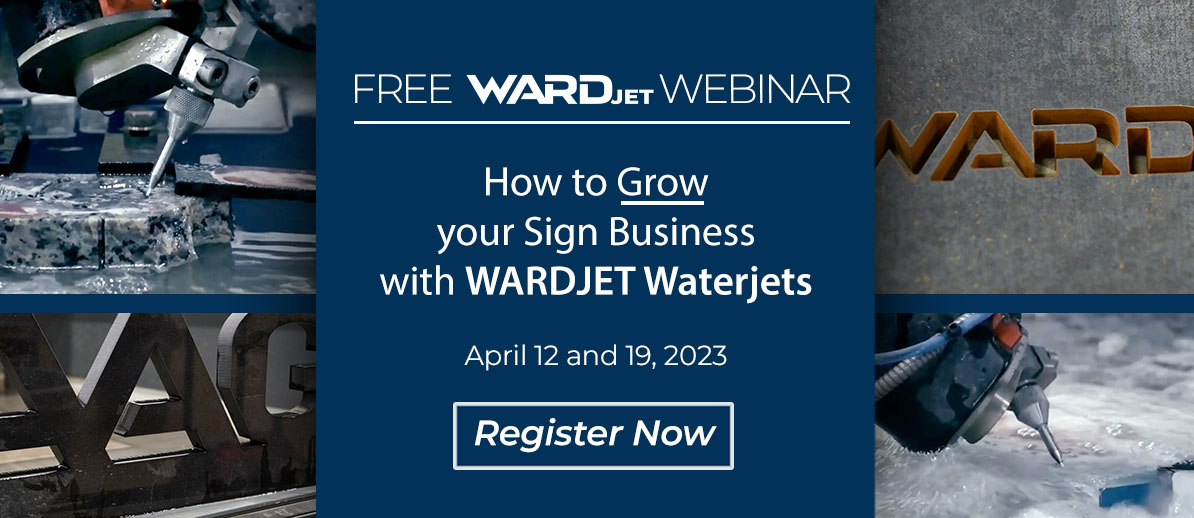
A particularly important technique for brittle materials is low-pressure circular piercing, which helps initiate cuts more gently. For granite and similar materials, this can make the difference between a successful part and a damaged blank.
Material Flexibility Creates Business Flexibility
One of the strongest arguments for adding waterjet is that it broadens what a sign business can sell.
Instead of being limited to standard sign substrates, a shop can begin offering finished products and components in a much wider material range, including:
- Steel and stainless steel
- Stone and granite
- Porcelain
- Thick acrylic and plastics
- Structural materials for sign assemblies
That range supports more than decorative sign faces. It also opens up opportunities for bases, frames, mounting plates, backer panels, brackets, and other structural sign components. In many cases, the ability to produce both the visible sign elements and the supporting hardware in-house can improve turnaround time and reduce reliance on outside vendors.
For customers, that means a more capable shop. For the business, it means access to larger and more specialized projects.
Improving Workflow With Near-Shape Cutting
Waterjet also works well as part of a combined process.
In many sign shops, the best result may come from using waterjet for near-shape cutting and then sending the part to a router or another finishing process for final detailing. This hybrid workflow can reduce material waste, improve cut efficiency, and help shops get the most from the equipment they already own.
For example, a shop working with thick acrylic or a composite build might use waterjet to remove the bulk of the material in a single efficient step, then rely on a router where edge refinement or secondary detailing is needed. Rather than choosing one technology over another, shops can use each where it performs best.
That approach is especially valuable for businesses trying to scale production without completely changing the way they work.
Supporting Complex Geometry and Creative Design
Modern signage increasingly includes intricate geometry, custom branding elements, artistic cutouts, and mixed-material assemblies. Waterjet is well suited to these requirements because it can produce detailed shapes and internal features that would be difficult or time-consuming using more conventional methods.
This flexibility becomes even more powerful when paired with sign-making software and streamlined programming tools. Shops can move from concept to cut using a variety of source materials, including:
- Text and font-based artwork
- Raster images for tracing
- PDF files
- Vector graphics
That means designers and production teams are not locked into a single starting format. Artwork can be imported, cleaned up, scaled, traced, and prepared for production with greater efficiency. For sign businesses handling customer-provided logos, scanned references, or incomplete design files, that flexibility is a real operational benefit.
The ability to create text layouts, trace fonts, build stencils, smooth edges, and convert reference images into finished sign paths can simplify programming and reduce prep time. In practical terms, it helps shops go from idea to finished sign faster and with fewer obstacles.
Cutting Granite Signs With Confidence
Granite signage is one of the clearest examples of where waterjet can add unique value.
These projects often carry high visual expectations and high material costs. Mistakes are expensive, and brittle stone does not forgive aggressive cutting methods. Waterjet offers a controlled way to process granite while preserving the integrity of the piece, especially when using low-pressure circular piercing to start the cut safely.
For sign makers, this expands what is possible in premium signage, memorial products, donor recognition displays, architectural features, and custom branded stone applications. It is not just about cutting a difficult material. It is about entering a higher-value segment of the market with more confidence.
Key Benefits for Sign Shops Evaluating Waterjet
For companies considering CNC waterjet technology, the benefits are practical and business-focused:
Expanded application range
Waterjet allows shops to quote jobs involving metal, stone, porcelain, and thick materials that may otherwise be declined or outsourced.
Better material integrity
Because it is a cold-cutting process, waterjet avoids heat-affected zones and helps preserve material properties and appearance.
Greater production flexibility
Shops can produce both finished signs and structural components, supporting more complete project delivery.
Efficient hybrid workflows
Near-shape cutting combined with router finishing can reduce waste and optimize production.
Strong design adaptability
Programming from text, images, PDFs, and vector files supports real-world sign production needs and customer file variability.
A Strategic Addition for Growing Shops
For sign makers looking to move beyond standard substrates and more basic shapes, CNC waterjet cutting can be a strategic addition rather than just another machine on the floor. It provides access to new materials, supports more complex geometry, and helps shops take on higher-value work with greater confidence.
Most importantly, it complements the tools many sign businesses already use. Routers and knife systems still have an important place in production. Waterjet simply adds another layer of capability—one that becomes increasingly valuable when projects demand strength, thickness, brittleness control, or advanced material flexibility.
For shops focused on growth, that added capability can translate directly into broader services, stronger differentiation, and more opportunities to win profitable work.
👉 Learn more, request a demo, or get support from the WARDJet team:
https://www.wardjet.com/get-a-quote/