


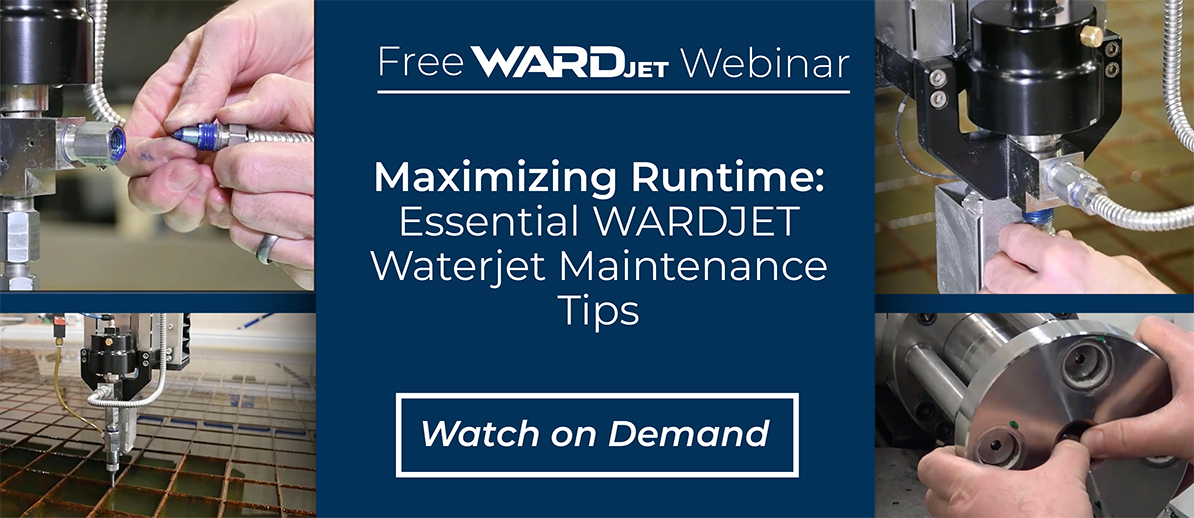
Waterjet Maintenance Essentials: How to Reduce Downtime and Keep Cut Quality High
In any production environment, uptime matters. A CNC waterjet cutting system is built for precision, versatility, and durability, but even the most capable machine depends on one thing to perform consistently: proper maintenance. When routine service is ignored, shops can run into avoidable issues like inconsistent cut quality, abrasive flow problems, premature wear, and unplanned downtime.
For manufacturers, fabricators, and shop owners, understanding waterjet maintenance is not just about protecting equipment. It is about protecting throughput, part quality, and profitability. A well-maintained system cuts more reliably, lasts longer, and helps operators avoid costly surprises during production.
From the cutting head and high-pressure plumbing to abrasive delivery and gantry care, every part of a CNC waterjet system plays a role in performance. Knowing how these components work—and how to service them correctly—can make a major difference in day-to-day operations.
Why Waterjet Maintenance Matters
Waterjet systems operate in a demanding environment. High-pressure water, abrasive media, moving mechanical assemblies, and tight tolerances all combine to create excellent cutting performance, but they also create wear over time.
Routine maintenance delivers several important benefits:
- Improved machine reliability
- More consistent cut quality
- Reduced unplanned downtime
- Longer life for wear components
- Better overall operating efficiency
Whether a company is evaluating its first machine or already running waterjet equipment in production, maintenance knowledge is a practical advantage. Operators who can recognize wear patterns early and service critical components correctly are far better positioned to keep production on track.
Understanding the Cutting Head and Wear Components
The cutting head is one of the most critical assemblies on an abrasive waterjet system. It is also one of the areas most affected by normal wear. Components such as the orifice, mixing chamber, and abrasive nozzle work together under extreme conditions, so regular inspection and replacement are essential.
Orifice Function and Replacement
The orifice is responsible for shaping the ultra-high-pressure water stream. Because it directly influences jet quality, even small wear or damage can affect cut performance. Operators may notice reduced precision, poor edge quality, or inconsistent cutting if the orifice begins to degrade.
Replacing the orifice at the appropriate interval helps preserve the integrity of the water stream and supports stable cutting performance. It is also important to understand that different orifice materials offer different service life characteristics, so shops should align replacement schedules with machine usage and application demands.
Mixing Chamber and Nozzle Maintenance
After the water stream exits the orifice, it enters the mixing chamber, where abrasive is introduced and accelerated through the nozzle. This area experiences continuous wear from abrasive flow, which makes routine inspection especially important.
A worn mixing chamber or nozzle can lead to poor abrasive alignment, reduced cutting efficiency, and lower part quality. Replacing these components before failure helps avoid unnecessary troubleshooting and protects the performance of the overall cutting head assembly.
Proper disassembly and reassembly also matter. Clean component interfaces, correct seating, and careful handling during maintenance all contribute to consistent performance after service is completed.
Needle and Seat Maintenance: Small Components, Big Impact
Among the most important high-pressure wear components in a waterjet system are the needle and seat. These parts control water flow and sealing within the cutting process, and when they begin to wear, the machine may show symptoms such as pressure instability, leakage, or inconsistent cutting behavior.
Because these components operate under extreme pressure, regular inspection is critical. Shops that wait too long to replace them may experience performance issues that affect both machine reliability and cut quality.
Servicing the needle and seat requires attention to detail. A proper repair procedure involves safe disassembly, inspection for wear or damage, replacement of the necessary components, and careful reassembly followed by pressure testing. When done correctly, this maintenance restores system performance and helps prevent more serious issues downstream.
For operators and maintenance teams, learning the common failure symptoms of needle and seat wear can be especially valuable. Being able to identify these early warning signs allows shops to act before a minor issue becomes a production-stopping problem.
High-Pressure Components and Connection Checks
Waterjet cutting depends on the reliable delivery of ultra-high-pressure water, so the health of high-pressure lines and fittings is essential. Maintenance in this area is not just about performance—it is also about safety.
Routine inspection of high-pressure connections helps ensure that fittings are properly installed, secure, and free of wear or damage. Final filters also play an important role by protecting sensitive downstream components from contamination. Improper installation or neglected filter maintenance can lead to pressure issues, component wear, and reduced system reliability.
Operators should also be familiar with procedures such as bleeding air from the cutting head after service. Even a well-executed maintenance task can create startup issues if the system is not properly prepared before returning to operation.
Abrasive Delivery Systems: Consistency Starts Here
Abrasive flow is central to abrasive waterjet performance. If abrasive delivery is inconsistent, cut quality and cutting efficiency will suffer, even when the rest of the machine is functioning properly.
That is why maintenance of abrasive handling systems deserves just as much attention as cutting head service.
Mini Hopper and Abrasive Flow Calibration
The mini hopper plays a direct role in controlling abrasive delivery to the cutting head. Calibration and flow testing help ensure the machine is feeding the correct amount of abrasive for the application.
If flow is too low, cutting performance may drop. If flow is too high, abrasive can be wasted and component wear may accelerate. Routine checks, along with timely replacement of parts such as the mini hopper bladder, help maintain stable abrasive metering.
Bulk Feed Hopper Maintenance
For shops that rely on continuous production, the bulk feed hopper is equally important. Proper abrasive handling helps prevent contamination, bridging, moisture-related issues, and inconsistent feed behavior. A clean, well-maintained abrasive supply system supports uninterrupted operation and more predictable cut performance.
In practical terms, this means maintenance teams should pay attention not only to mechanical components, but also to abrasive storage and handling practices throughout the shop.
Gantry Upkeep and Motion System Care
While cutting head service often gets the most attention, the gantry and motion system are just as important to machine accuracy and long-term performance. Components such as ball screws and lubrication points require regular maintenance to keep the machine moving smoothly and precisely.
Neglected lubrication can increase wear, reduce positioning accuracy, and shorten the service life of key motion components. Over time, this can affect both machine performance and cut quality.
Regular gantry maintenance should be part of every preventive maintenance program. For shops running high production volumes, keeping the motion platform in top condition is essential for maintaining precision across the entire cutting envelope.
Abrasive Removal and Filtration Maintenance
Waterjet maintenance does not end at the cutting process. Abrasive removal systems, diaphragm pumps, and filtration components also need regular attention to keep the machine and surrounding work area operating efficiently.
Abrasive removal systems help manage spent material and maintain a cleaner cutting environment. If these systems are neglected, buildup can interfere with operations, increase maintenance time, and reduce overall system efficiency.
Likewise, diaphragm pumps and filtration components must be inspected and serviced to ensure reliable operation. These supporting systems are often overlooked until a problem occurs, but preventive care can significantly reduce disruptions.
Five-Axis Head Maintenance and Calibration Basics
For shops equipped with a five-axis cutting head, maintenance includes another important element: calibration. Advanced cutting heads provide greater flexibility and capability, but they also require proper upkeep to maintain accuracy.
Even when the mechanical components are in good condition, calibration matters. If the head is not aligned correctly, the machine may not produce the intended geometry or edge quality. Periodic maintenance and calibration checks help protect the value of advanced cutting capabilities and ensure the system continues to perform as expected.
Building a Smarter Maintenance Routine
One of the most valuable lessons for any waterjet owner or operator is that maintenance works best when it is proactive, not reactive. Waiting for parts to fail almost always costs more than replacing wear components on schedule.
A strong maintenance routine should include:
- Regular inspection of wear components
- Scheduled replacement of consumable parts
- Cleaning and verification during reassembly
- Abrasive flow testing and system checks
- Lubrication of gantry and motion components
- Inspection of high-pressure plumbing and filtration systems
When these tasks become part of standard shop practice, the result is a more reliable machine and a more confident team.
Conclusion
CNC waterjet systems are powerful tools for precision manufacturing, but their performance depends on consistent care. From the cutting head and needle-and-seat assembly to abrasive delivery, filtration, gantry lubrication, and five-axis calibration, every maintenance task contributes to reliability and cut quality.
For manufacturers, engineers, fabricators, and production teams, investing time in proper maintenance pays off in lower downtime, improved part consistency, and longer component life. A disciplined approach to service helps turn maintenance from a reactive chore into a competitive advantage.
👉 Learn more, request a demo, or get support from the WARDJet team:
https://www.wardjet.com/get-a-quote/